
Black truffle salt is powerful because it combines salt, aroma, and a luxury flavor cue in one pinch. Used well, it can make eggs, potatoes, popcorn, pasta, risotto, roasted vegetables, and simple sauces feel complete. Used carelessly, it can flatten a dish, bury fresh ingredients, and make every plate taste the same.
The goal is balance. A good truffle salt guide should help cooks decide when to season, how much to use, how to store the jar, and how to read labels before buying. That is more useful than treating truffle salt like a magic dust that belongs on every dish.
Use Truffle Salt as a Finishing Ingredient First
Most black truffle salt is best near the end of cooking or at the table. Heat can dull volatile aroma compounds, and long cooking can make the salt taste harsh before the truffle character has a chance to stand out. For everyday use, finish the dish with a small pinch, taste, and then adjust. This gives the cook control and keeps the truffle note from overtaking the base ingredient.
This site already has a buying-oriented article on where to buy black truffle sea salt. Once a buyer has the jar, the more important habit is restraint. A tiny amount can be enough for scrambled eggs, fries, pasta, or warm buttered vegetables. The more delicate the food, the smaller the starting pinch should be.
Pair It With Simple Foods
Truffle salt works best when the rest of the dish leaves room for aroma. Eggs, potatoes, mushrooms, rice, pasta, butter, cream, mild cheeses, and roasted root vegetables are reliable pairings. Highly acidic, very spicy, or heavily smoked dishes often compete with it. If the dish already has anchovy, blue cheese, fermented chile, or a strong cured meat, a truffle finish may be too much.
| Dish Type | How to Use It | What to Avoid |
|---|---|---|
| Eggs and omelets | Finish with a pinch after cooking. | Adding early and then oversalting. |
| Potatoes and fries | Toss while hot so salt adheres. | Using with another salty seasoning blend. |
| Pasta or risotto | Add after the sauce is balanced. | Boiling it into the cooking water. |
| Popcorn | Mix with butter or oil before tossing. | Dumping a large amount in one spot. |
Read the Ingredient Label Before Buying
Not every truffle salt is made the same way. Some products use dried truffle pieces. Some use aroma or flavoring. Some combine both. A buyer should know what they are buying and how that affects price, aroma strength, and storage. Read the ingredient statement, check whether the product names black truffle specifically, and look for any allergen or facility statements that matter to the intended kitchen.
The FDA food allergen guidance is a useful starting point for understanding why labels and cross-contact statements matter in food service and packaged food settings. The same practical caution applies to gourmet salts that may be packed near other ingredients or sold as blends.
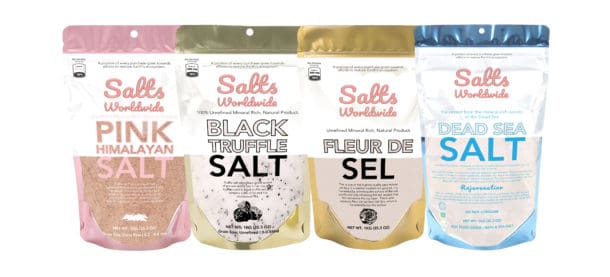
If you want a finished product reference after reviewing label and use-case basics, compare pack size, grain style, and intended use for Salts Worldwide’s black truffle salt. Use that kind of source check after you have decided whether you need a finishing salt for home use, retail jars, gift baskets, or menu development.
Control Sodium and Seasoning Overlap
Truffle salt is still salt. If a dish already has Parmesan, cured meat, capers, olives, bouillon, or a salted sauce, the final truffle pinch should be smaller. The FDA sodium guidance is a simple reminder that premium salt does not remove sodium from the plate. Culinary value comes from precision and pleasure, not from pretending seasoning limits do not apply.
The USDA FoodData Central database can help cooks and food writers understand common ingredient profiles, but it is not a substitute for the actual product label in your hand. If you sell or serve a truffle salt blend, use the supplier label and your own recipe records for accurate menu and packaging decisions.
Store It Like an Aromatic Ingredient
Salt itself is stable, but aroma fades when the jar is abused. Keep black truffle salt sealed, dry, and away from heat, steam, and strong-smelling ingredients. Do not leave it next to an espresso machine, oven vent, or open spice bin. Use a clean, dry spoon rather than damp fingers, especially in food service settings.
For pantry safety habits, the existing Truffle Salt article on checking ingredient and allergen recall alerts is a good reminder that specialty food buyers should pay attention to lot codes, labels, and product notices. Truffle salt is a pleasure product, but it still belongs inside a responsible pantry system.
A Simple Tasting Method
Before using a new jar in a full recipe, test it on a neutral food. Try a plain boiled potato, a small spoonful of scrambled egg, or a few pieces of unsalted popcorn. Add a tiny pinch, taste, wait a minute, and then decide whether the aroma is clean, strong, subtle, or artificial to your palate. This small test prevents an expensive jar from taking over a whole batch of food.
- Start with less than you think you need.
- Add it after the dish is mostly seasoned.
- Use it on warm food when aroma release helps.
- Keep other strong flavors quiet.
- Close the jar immediately after use.
- Write down the amount if a restaurant dish needs repeatability.
FAQ
Can black truffle salt be cooked into a sauce?
It can be added near the end, but long cooking is rarely the best use. Finish the sauce after its base seasoning is already balanced.
How much should a cook use?
Start with a tiny pinch. Truffle aroma is concentrated, and the salt component also affects the dish.
Is black truffle salt only for pasta?
No. It can work on eggs, potatoes, popcorn, roasted vegetables, rice, butter, and mild cheese dishes.
Does truffle salt need refrigeration?
Most shelf-stable products do not, but follow the package label. Keep the jar dry, sealed, and away from heat.
What should buyers compare first?
Compare ingredients, aroma strength, grain size, pack size, and intended use before comparing price alone.
Recent Comments