
The Off-Hours Communication Challenge for Specialty Food Retailers
Independent specialty food shops, boutique grocery stores, and artisanal culinary retailers face a distinct customer communication environment. Unlike general e-commerce merchants selling standardized, non-perishable goods, specialty food merchants handle complex product catalogs that include raw-milk cheeses, single-estate olive oils, house-cured charcuterie, delicate truffle condiments, and seasonal gift baskets. A significant volume of customer inquiries arrives outside standard operating hours—late in the evening, during weekend closures, or early on holiday mornings.
Shoppers frequently reach out via social channels to ask if a specific item is in stock for weekend pickup, whether a specialty salt or paste contains trace gluten, how to store an opened jar of caviar, or whether custom gift boxes can be shipped on short notice. When a customer messages a store at 9:00 PM on a Sunday, they often desire an immediate confirmation. However, attempting to provide definitive answers through unmonitored automated messaging carries substantial operational and safety risks. An automated system cannot physically inspect a batch label to verify an allergen statement, nor can it guarantee that an item visible in inventory software hasn’t already been set aside for morning store display.
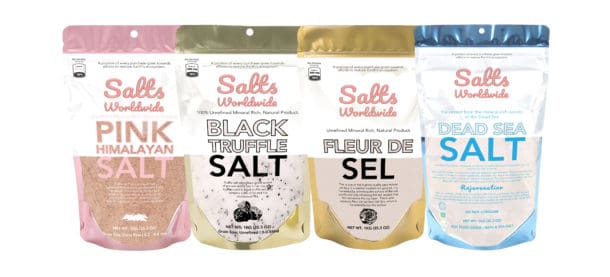
For small culinary retailers, the goal of after-hours messaging is not to close sales automatically or replace human judgment. Instead, a well-structured off-hours workflow acknowledges the customer promptly, provides helpful self-service navigation for routine store information, sets explicit expectations for when a human team member will respond, and establishes clear boundaries around sensitive dietary, safety, and transactional topics. When customer questions touch on delicate culinary pairings, shop owners can provide basic culinary context while reserving tailored advice for in-store consultation; for instance, understanding how to use black truffle salt without overpowering a dish requires balancing intensity and heat—a nuance best guided by trained staff.
Core Principles of Responsible Off-Hours Messaging
Designing an automated response system for Facebook Messenger requires balancing customer responsiveness with retail accuracy. Implementing a responsibility-first framework relies on four foundational principles:
- Immediate Acknowledgment and Transparency: Confirm receipt of the message instantly while stating clearly that the shop is closed and providing exact store operating hours.
- Realistic Human Follow-Up Windows: Specify precisely when the retail team will resume reading and answering messages (for example, “Our morning team reviews messages Tuesday through Saturday starting at 9:00 AM”).
- Intent Sorting and Self-Service Routing: Offer structured menu options or links to core self-serve resources, such as location maps, published store hours, or general online catalog links.
- Strict Risk Containment and Safety Boundaries: Explicitly communicate that automated messages cannot confirm ingredient safety, issue dietary advice, verify identity, process payments, or reserve stock.
An after-hours product question is not itself an abandoned checkout or permission to email. If your shop separately follows up on unfinished online checkouts, Messenger Bot’s cart-email copy review checklist can help staff review customer preferences, accurate offers and links before sending. Disclosure: Truffle Salt and Messenger Bot are under common ownership.
Meta provides native inbox management features designed for business pages. Retailers can configure scheduled away messages, instant greetings, and custom keyword prompts directly within Meta Business Suite. Store owners should consult official Meta instant-reply instructions and the broader Meta Business Suite Inbox guidance to ensure timezone settings and away hours align accurately with local store operating schedules. Retailers seeking broader technical workflows for setting up automated social responses across platforms can also reference an after-hours Messenger reply setup guide for additional configuration insights. for stores extending the same human-reviewed approach to WhatsApp, a WhatsApp Business chatbot setup guide can help organize approved templates, service-window expectations, and staff handoff.
Categorizing Customer Intent and Structuring Decision Trees
To prevent off-hours inbox confusion, specialty food merchants must categorize incoming messages by risk profile and business urgency. A structured decision tree routes routine queries to public web pages while flagging complex inquiries for priority morning review by store personnel.
Category 1: Low-Risk Operational Queries
Operational inquiries include requests for physical store directions, parking availability, regular operating hours, holiday schedules, and general curbside pickup policies. These topics pose zero regulatory or safety risk. Automated replies can safely direct customers to published website footers, store locator pages, or static Google Maps links. The primary requirement is keeping static links updated whenever holiday hours change.
Category 2: Moderate-Risk Product Availability and Event Booking
Inquiries about seasonal gift basket availability, bulk party platters, private tasting event reservations, or current inventory of specialty imported goods fall into a moderate-risk tier. While closing a sale is desirable, promising stock or event availability during off-hours leads to dissatisfied customers if inventory discrepancies exist. Automated responses should explain that inventory fluctuates rapidly in boutique retail, invite the customer to leave their specific item list or event date, and state that staff will confirm physical stock upon opening. For event requests that need a clear follow-up window, these appointment reminder templates can help staff set expectations without confirming availability before a person checks the schedule.
Category 3: High-Risk Ingredient, Allergen, and Safety Questions
Questions regarding major food allergens (such as nuts, dairy, soy, wheat, shellfish, or sesame), gluten cross-contamination, pasteurization status of specialty cheeses, or product batch recalls represent the highest operational risk. Misinforming a customer about an allergen or dietary restriction can lead to severe health consequences. Federal regulations under the FDA Food Allergen Labeling and Consumer Protection Act (FALCPA) mandate strict labeling standards on packaged foods, but an automated social chat cannot verify manufacturer packaging or lot details in real time.
When an off-hours inquiry mentions ingredients or recalls, the automated reply must explicitly decline to provide safety declarations. Instead, it should instruct the customer to await manual staff verification or consult official government recall index resources. For shoppers inquiring about public food safety alerts or batch numbers, merchants can point to educational guides on how specialty food shoppers can check ingredient and allergen recall alerts alongside federal indices like FDA Safety Recalls and Market Withdrawals or USDA FSIS Recalls and Public Health Alerts for verified regulatory data.
Category 4: Regulated, Financial, and Account Escalations
Inquiries involving credit card payments, refund processing, store account changes, age-restricted items (such as wine or alcohol-infused preserves), or formal customer complaints must never be handled by automated text. Automated systems cannot verify customer identity, confirm payment security compliance, or resolve disputes. The automated workflow must instruct users never to transmit credit card numbers, passwords, or personal banking data over Facebook Messenger, noting that store management will address financial and account matters directly via telephone or secure in-person consultation.
Inquiry Workflow Comparison Matrix
The following comparison table outlines recommended after-hours response strategies across standard specialty food shop inquiry types:
| Inquiry Category | Typical Customer Request | Risk Level | Automated Response Action | Required Human Follow-Up |
|---|---|---|---|---|
| Store Operations | Hours, parking, address, holiday schedules | Low | Provide static store link & operating hours | None (unless customer specifies unique accessibility need) |
| Product Inventory | Specific cheese stock, olive oil vintages, gift items | Moderate | Acknowledge request; state stock is verified in morning | Staff checks shelf stock at opening & sends direct message |
| Allergens & Ingredients | Nut-free facilities, gluten cross-contact, pasteurization | High | State safety boundary; pause automated advice; request detail | Senior staff inspects packaging/lot & provides written answer |
| Events & Catering | Custom platters, private tasting room bookings | Moderate | Share general catering menu link & request event date/size | Catering manager reviews calendar and calls/messages client |
| Payments & Refunds | Order changes, card charges, billing inquiries | High | Advise against sending card data; state manager review time | Store manager contacts customer via secure phone/email |
| Safety & Recalls | Batch questions, packaging damage, public alerts | Critical | Provide official recall links; request product code for staff review | Immediate priority review by store owner/manager upon shift start |
Drafting Responsibility-First Automated Response Scripts
Automated scripts should use clear, professional language tailored to artisanal culinary retail. Below are four customizable script templates designed for Meta Business Suite Inbox configuration.
Template 1: General Off-Hours Acknowledgment & Operations
“Thank you for reaching out to [Shop Name]! Our physical store and customer care team are currently closed. Our regular operating hours are [Days/Times]. You can view our current store calendar and location details at [Website Link]. If you are messaging about an order or general inquiry, our morning staff will review your message when we open at [Opening Time]. Have a wonderful evening!”
Template 2: Ingredient, Allergen, and Product Verification Hold
“Hello! We received your question regarding product ingredients and dietary specifications. Because food safety and ingredient accuracy are extremely important to us, our automated system does not provide allergen or ingredient declarations. A trained team member will personally inspect our current physical packaging labels and respond when store operations resume tomorrow morning at [Opening Time]. If you are inquiring about broader food safety notices, please feel free to check official resources at FDA.gov or USDA.gov in the interim.”
Template 3: Gift Baskets, Event Catering, and Special Orders
“Thank you for considering [Shop Name] for your event or gifting needs! Our specialty food team handles custom platter builds and gift basket assembly during regular store hours. Please reply with your desired event date, estimated headcount, and any preferred items (such as artisan cheeses, cured meats, or specialty spreads). Our catering coordinator will evaluate our production schedule and reply by [Time/Day].”
Template 4: Payment, Refund, and Account Security Prompt
“Thank you for your message regarding your recent transaction or order modification. For your security, please do not send credit card numbers, bank details, or sensitive account information through Facebook Messenger. Our store management team will review your order details and contact you directly via phone or email during business hours to resolve your request securely.”
Establishing Staff Morning Protocols and Inbox Governance
An automated after-hours reply system is only as effective as the human workflow that takes over when business hours begin. Specialty food retailers should establish a routine morning inbox triage procedure to ensure smooth handoffs from automated holding messages to active customer service.
1. Designate a Primary Morning Inbox Lead
Assign a specific shift team member—such as the opening Assistant Manager or Lead Counter Specialist—to review social inbox channels 15 to 30 minutes before store doors open to the public. Having a single point of accountability prevents duplicate customer replies or overlooked messages.
2. Prioritize Messages by Urgency and Safety
Train opening staff to scan the overnight inbox using Meta Business Suite tags or labels. High-risk inquiries (such as reported damaged perishable shipments, allergen checks for same-day pickup, or billing concerns) must be reviewed first. Routine queries regarding general directions or store hours can be marked as closed if the automated response already answered the customer’s request fully.
3. Maintain Physical Verification Standards
When answering ingredient or allergen questions escalated overnight, staff must physically retrieve the item from shelf stock or check certified supplier specification sheets before responding in writing. Staff should never rely on memory or unverified digital lists, as artisan producers occasionally update ingredient suppliers or facility practices between production batches.
4. Document Recurring Inquiries for Website Improvement
If customers repeatedly ask off-hours questions about specific topics—such as curbside pickup procedures, cheese wheel shipping weights, or gift note inclusions—the store team should update the shop’s public FAQ page. Moving common questions from private chat to public web pages reduces overall message volume and empowers customers with immediate, accurate answers.
Frequently Asked Questions
Can an automated Facebook Messenger reply guarantee real-time item availability for morning pickup?
No. Automated messaging tools cannot accurately verify real-time physical shelf stock in boutique retail environments. Inventory levels change due to in-store sales, phone holds, or spoilage updates. Automated replies should explicitly state that stock must be verified manually by staff when the shop opens.
How should gourmet food shops handle urgent allergen queries sent after hours?
Automated responses must never make allergen or dietary declarations. The workflow should inform the customer that food safety requires human label inspection, invite them to detail their concern, and state that a trained staff member will examine physical product packaging prior to responding during store hours.
Should payment information ever be collected through Facebook Messenger automated messages?
No. Retailers should never request or store credit card details, full card numbers, CVVs, or sensitive personal banking information over social messaging channels. Automated replies should instruct customers to defer financial transactions until staff can assist them through secure point-of-sale systems or official web checkout pages.
How do Meta Business Suite Instant Replies differ from third-party automation platforms?
Meta Business Suite Instant Replies are native, basic automated responses built directly into Facebook and Instagram inboxes to handle greetings and away hours. Third-party automation tools offer advanced multi-step decision trees, conditional logic, and external software integration capabilities. Both options require human oversight for sensitive retail queries.
What is the recommended follow-up window to communicate in an off-hours automated reply?
Retailers should state a clear, realistic timeframe based on actual operating schedules—such as “within two hours of opening tomorrow morning” or “by 10:00 AM on our next business day.” Setting precise expectations prevents customer frustration and reduces repeated off-hours messaging.
Recent Comments