
Truffle salt has quickly emerged as one of the most sought-after ingredients for elevating everyday meals into gourmet dining experiences. This unique condiment blends the earthy, luxurious aroma of truffles with the essential seasoning power of coarse salt, creating a versatile pantry staple that appeals to both novice cooks and seasoned professionals. However, navigating the modern retail market can be incredibly challenging for those unfamiliar with how this specialized product is manufactured and what details to look for on the label. Understanding what truffle salt actually is, how it is made, and the absolute best ways to incorporate it into your cooking will ensure you get the maximum value and enjoyment from your purchase. By learning to distinguish between genuine quality ingredients and clever artificial marketing, you can confidently bring the unmistakably rich scent of truffles into your own home kitchen without overspending on an inferior jar.
Buying Truffle Salt Without Being Cheated
When browsing the aisles for this luxury seasoning, reading the ingredient list is the most crucial step to avoid paying a premium for an inferior product. A high-quality blend should ideally contain only two or three items: a base salt, real dried truffle pieces, and occasionally a natural flavoring agent. What the ingredient list should not contain are long, unpronounceable chemical names or artificial colors meant to mimic the appearance of genuine fungi. Consumers are often surprised to learn why real truffle content is usually tiny, often hovering around one to three percent of the total volume. Truffles are incredibly potent and expensive, meaning that a massive concentration is neither necessary for flavor nor economically feasible for a retail product. A small percentage of authentic dried truffle is perfectly standard for a reputable brand.

Spotting the Difference Between Synthetic Aromas and Real Truffles
Because real truffles lose their pungency when dried, manufacturers frequently rely on added flavors to deliver the intense scent consumers expect. It is important to know how to tell an added aroma compound from the scent of an actual truffle. Synthetic flavors often have an overpowering, almost petroleum-like sharpness that assaults the nose the moment the jar is opened. In contrast, natural truffle pieces provide a subtle, earthy funk that deepens as it interacts with warm food. Food-science writing frequently notes that synthetic aroma compounds are highly volatile and tend to fade rapidly when exposed to the air, whereas the nuanced organic notes of the actual fungus offer a more persistent, lingering complexity on the palate.
Establishing a Fair Expectation of Shelf Life
Proper storage is critical for maintaining the pungent qualities of this delicate seasoning. A fair expectation of shelf life for an opened jar is typically around six to eight months if kept in optimal conditions. Unlike pure sodium chloride, which lasts indefinitely, the organic compounds in the dried fungi and the volatile flavor oils degrade over time. Exposure to light, heat, and moisture will accelerate this degradation, turning a vibrant seasoning into mildly salty dust. To preserve the investment, store the jar in a cool, dark cupboard tightly sealed against humidity. If the distinctive scent has completely vanished upon opening the lid, the product has passed its useful life, even if the base salt remains perfectly safe to consume.
Dishes Where It Genuinely Improves Things
To maximize the impact of this robust seasoning, it should be applied to dishes that provide a neutral canvas for its earthy flavor profile. When matched with the right ingredients, the result is phenomenal.
- Roasted potatoes: Tossing hot, crispy potatoes with a generous pinch immediately after they leave the oven allows the heat to release the savory aromatics beautifully.
- Scrambled eggs: The rich, creamy texture of gently cooked eggs pairs flawlessly with the deep, savory notes of the seasoning.
- Popcorn: Elevating a simple bowl of freshly popped corn with a light dusting transforms a casual snack into a sophisticated appetizer.
- Creamy risottos: Stirring it into a mild mushroom or parmesan risotto just before serving amplifies the underlying umami without overpowering the dish.

Understanding Non-Flavor Culinary Uses
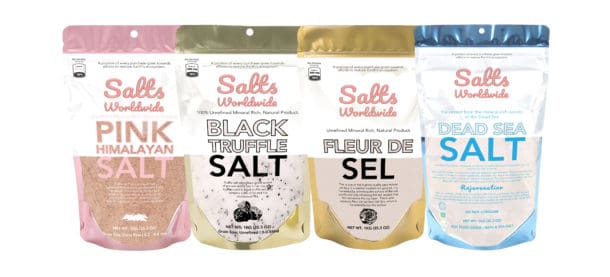
While this particular blend is prized entirely for its intense scent and taste, it is worth noting that the culinary world uses salts for many different reasons beyond simply making food more savory. For instance, Dead Sea salt is an excellent example of a salt bought for a purpose entirely other than flavor, utilized almost exclusively in cosmetics and therapeutic bath preparations due to its intense bitterness and unique mineral composition. In contrast, every pinch of truffle-infused salt is designed strictly to stimulate the palate and olfactory senses. It is never used for curing meats, fermenting vegetables, or drawing moisture from eggplants, as the exceptionally high cost and incredibly potent profile make it entirely unsuitable for utility kitchen tasks.
Frequently Asked Questions
Q? Should I cook with this seasoning or use it as a finishing touch?
A. It is always recommended to use this product strictly as a finishing touch. The delicate aromatic oils and dried fungi pieces will lose their flavor entirely if exposed to the high heat of a frying pan or a boiling pot of water.
Q? Why does my jar smell so strongly when I first open it?
A. The intense initial burst of scent is often due to the concentration of volatile aromatic gases trapped inside the sealed jar. Once the jar is opened and the product is sprinkled over food, the scent will mellow and integrate more harmoniously.
Q? Is it suitable for vegan and vegetarian diets?
A. Yes, traditional truffles are a type of fungi, meaning the resulting seasoning blend is entirely plant-based and suitable for both vegan and vegetarian diets, provided no animal-based additives are listed on the label.
Disclaimer: The content provided here is for informational and culinary exploration purposes only. It does not constitute medical or nutritional guidance. Consumers with specific food allergies or dietary restrictions should carefully review all product packaging and consult a healthcare professional if necessary.
Recent Comments